
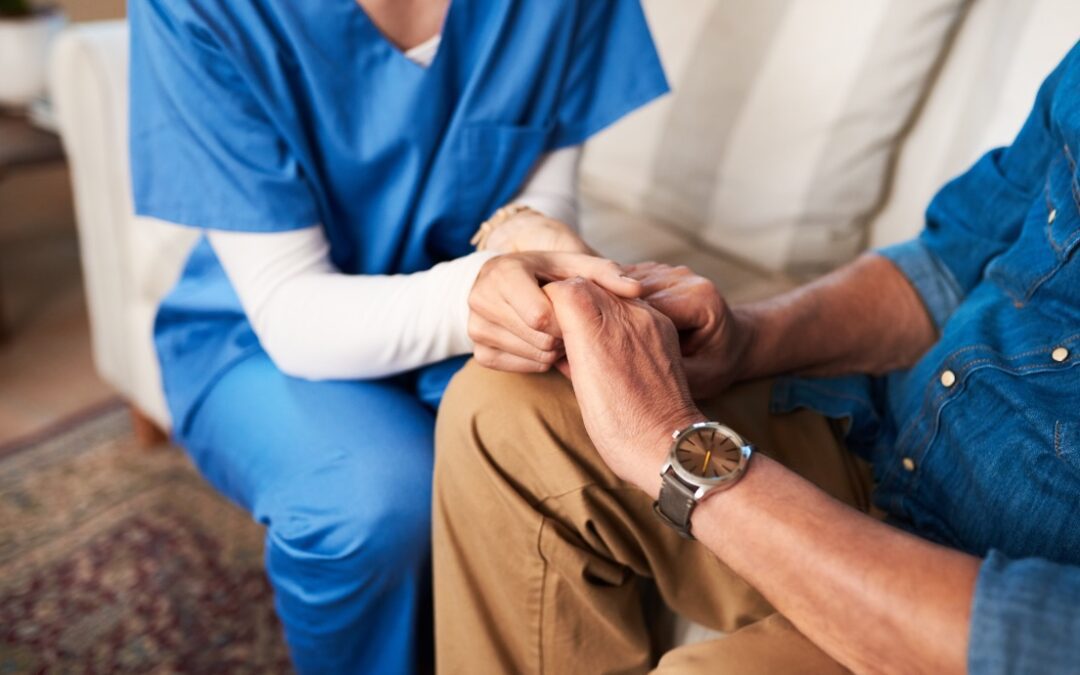
At Beacon Clinic in North Idaho, we believe that cancer care should focus on more than medical appointments, lab tests, or procedures. Cancer treatment can permeate every aspect of your life. Comprehensive care means helping patients live life as fully and comfortably as possible while navigating the challenges of the disease.
For many patients, home care has become an essential part of their treatment journey. By bringing support and services directly to the patient’s home, home care can provide comfort, convenience, and a higher quality of life during treatment and recovery. When well-coordinated, home care can be a critical part of a comprehensive care plan.
Undergoing cancer treatment and recovery is physically, emotionally, and mentally taxing. Home care can help patients navigate these challenges in several ways:
1. Comfort of Familiar Surroundings
One of the most profound benefits of home care is the ability for patients to remain in a familiar environment. However nice a hospital room or its staff may be, they cannot help but remind a patient of the dramatic change that their cancer diagnosis has introduced into their life. Being at home can reduce stress and anxiety, foster emotional well-being, and allow patients to maintain a sense of normalcy. For many, simply waking up in their own bed, surrounded by loved ones and personal belongings, offers immeasurable comfort during a difficult time, reassuring them that this phase of their lives is just that: a phase.
2. Personalized, Patient-Centered Care
Not every person may have a friend or family member capable of providing necessary care. However, there are in-home services that offer trained personnel. Home care services are often tailored to the patient’s specific needs, from assistance with daily activities like meal preparation and mobility, to more specialized medical support such as medication management or wound care. This personalized approach ensures that patients receive the right level of support without feeling overburdened by unnecessary interventions.
3. Support for Families and Caregivers
Cancer doesn’t just affect patients; it impacts the whole family. Home care can relieve some of the pressure caregivers feel by reducing their responsibilities and providing professional guidance. Trained home care providers can educate family members, offer respite breaks, and ensure that loved ones are not carrying the entire caregiving burden alone.
4. Better Symptom and Pain Management
Managing symptoms such as fatigue, nausea, or pain is an essential part of cancer care. Home care providers work closely with the patient’s medical team to monitor these issues and adjust as needed. With trained oversight at home, patients often experience better symptom control, reducing unnecessary hospital visits and improving overall quality of life.
5. Reduced Risk of Infections
Patients undergoing chemotherapy, radiation, or surgery may have compromised immune systems. Spending extended time in hospitals or clinics can increase the risk of exposure to infections. Home care minimizes this risk by allowing patients to receive support and some aspects of treatment in the safety and comfort of their own homes.
6. Enhanced Emotional and Social Support
When undergoing long-term treatment, emotional well-being is as important as physical health. Home care services often include companionship and emotional support, reducing feelings of isolation or loneliness that some patients experience. Remaining at home also makes it easier for family and friends to visit, offering additional comfort, encouragement, and social engagement.
7. Encouraging Independence
Maintaining independence during cancer treatment can be empowering to patients. Home care helps patients preserve their daily routines as much as possible while receiving assistance only in areas where it’s needed. This balance promotes dignity, confidence, and a greater sense of control over one’s health journey. Patients who take control of their own care are often more motivated to maintain their strength and vitality.
8. Coordination With the Healthcare Team
Home care providers don’t replace the role of oncologists or specialists. Instead, they act as an extension of the care team. They communicate with physicians, nurses, and other providers at Beacon Clinic to ensure continuity of care, timely updates, and well-coordinated support for the patient.
Beacon Clinic: Comprehensive Support Beyond the Clinic Walls
At Beacon Clinic, we are committed to providing compassionate, whole-person care for cancer patients. That includes supporting home care as an option for patients who may benefit from extra comfort and convenience while undergoing treatment. By combining the expertise of our cancer care team with a personalized touch, we can help make the journey through cancer treatment as manageable and positive as possible.
If you or a loved one is navigating a cancer diagnosis and you want to learn more about how Beacon Clinic can help connect you with helpful resources, contact us today. Together, we’ll help you find the support you need, at home and beyond.
