
At Beacon Clinic in North Idaho and Boise, we understand that hearing the word chemotherapy can bring up fear, uncertainty, and many questions. Chemotherapy is one of the most widely used cancer treatments, but it is often also one of the most misunderstood. We know that nearly every cancer treatment comes with downsides, and while the idea of undergoing chemotherapy can feel overwhelming at first, knowing what to expect can help ease anxiety and give patients a greater sense of control.
Let’s walk you through the basics of chemotherapy: what it is, how it works, what treatment may look like, and how Beacon Clinic supports patients every step of the way.
What Is Chemotherapy?
Chemotherapy uses chemicals (medications) with the therapeutic purpose of destroying cancerous cells. While people use chemical medications for everything from headaches to rashes, the term chemotherapy is used specifically to describe cancer treatment, distinguishing this therapy from other cancer treatments such as surgery, radiation, and immunotherapy.
Chemotherapy uses very powerful medications formulated to destroy cancer cells or stop them from growing and dividing. Because cancer cells grow more rapidly than most normal cells, chemotherapy is especially effective at targeting them. Depending on the type of cancer and stage, chemotherapy may be used to:
- Cure cancer
- Shrink tumors before surgery or radiation
- Destroy any cancer cells remaining after surgery
- Slow cancer growth
- Relieve symptoms and improve quality of life
Chemotherapy is often part of a comprehensive treatment plan that may entail multiple treatment protocols, including surgery, radiation therapy, immunotherapy, or targeted therapy.
How Chemotherapy Is Given
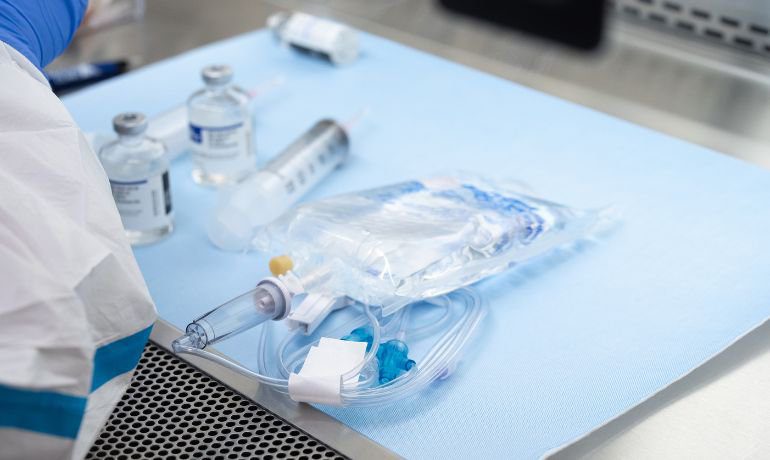
Chemotherapy can be administered in several ways, depending on the medication and your specific treatment plan:
- Intravenous (IV): The most common method, delivered through a vein
- Oral: Pills or capsules taken at home
- Injection: Given under the skin or into a muscle
- Topical: Applied directly to the skin (less common)
Treatments are usually given in cycles, that is, periods of treatment followed by periods of rest, to allow the body time to recover.
What to Expect Before Treatment Begins
Before starting chemotherapy (or any other cancer treatment regimen), your care team at Beacon Clinic will conduct a thorough evaluation. This may include blood tests, imaging studies, and discussions about your overall health and treatment goals. You can trust Beacon to answer all your questions and to provide clear explanations about:
- The medications being used
- How often treatment will occur
- Possible side effects
- Ways to manage symptoms at home
We want our patients to be well-informed so that they have complete control over their cancer journey. The planning process ensures your treatment is as safe, effective, and personalized as possible.
Common Side Effects—and Why They Happen
Because chemotherapy can affect healthy fast-growing cells (such as those in the hair, digestive tract, and bone marrow), unwanted side effects often occur. It’s important to know that not everyone experiences the same side effects, and many are temporary and manageable. Common side effects may include:
- Fatigue
- Nausea or vomiting
- Hair thinning or hair loss
- Changes in appetite or taste
- Lowered immunity
- Mouth sores
- Digestive changes
These effects usually require some lifestyle adjustments, such as limited personal interaction in public (to avoid exposure to germs) and changes in diet. However, advances in cancer care have significantly improved side-effect management. Medications, lifestyle adjustments, and supportive therapies can help patients stay comfortable and maintain a good quality of life during treatment.
Your Day-to-Day Life During Chemotherapy
Many patients are surprised to learn that they can continue engaging in some of their normal routines during chemotherapy. While rest is important, light activity, good nutrition, and emotional support can make a meaningful difference in overall health and in aiding recovery. Helpful tips for coping with changes include:
- Listening to your body and resting when needed
- Staying hydrated
- Eating small, nutritious meals
- Accepting help from friends and family
- Communicating openly with your care team
Your oncology team will help you understand what activities are safe and how to adapt your routines as needed.
Emotional Support Matters
Chemotherapy affects more than just the body; it can take an emotional toll as well. Feelings of fear, sadness, frustration, or uncertainty are completely normal. Talking openly with loved ones, counselors, or support groups can be incredibly helpful.
At Beacon Clinic, we recognize the importance of treating the whole person. Emotional well-being is a vital part of healing, and support is always available.
Beacon Clinic: Compassionate Care Throughout Your Treatment
Beacon Clinic does not offer all cancer treatments in-house; however, we offer oral and infusion chemotherapy and work with many oncology providers to ensure that treatment is delivered by experienced professionals who prioritize safety, comfort, and personalized care. Our team takes the time to answer questions, manage side effects, and ensure patients feel supported throughout treatment. We firmly believe that knowledge is crucial in reducing fear and expanding patient options. We partner with our patients from the first consultation to the final treatment cycle, ensuring you are never alone.
Undergoing chemotherapy can be daunting, but it is also a powerful and proven tool that has helped millions of people fight and overcome cancer. With modern advances and a compassionate care team by your side, we’ll help you navigate treatment with strength and hope.
If you or a loved one has been diagnosed with cancer and would like to learn more about chemotherapy or other treatment options, contact Beacon Clinic at our North Idaho or Boise offices today. We’re here to guide you with expertise, compassion, and unwavering support, every step of the way.
