
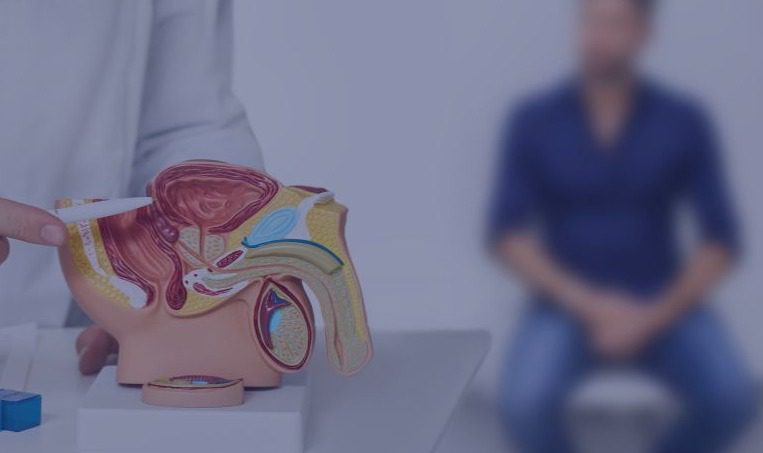
The urology team at Beacon Clinic is dedicated to helping both male and female patients take charge of their health through expert, compassionate care. One of the most common conditions we treat is benign prostatic hyperplasia, or BPH, better known as an enlarged prostate. This condition affects many men as they age, and while it’s not always indicative of a severe health problem, it can cause bothersome and uncomfortable symptoms that interfere with daily life.
When men understand the signs of BPH and know when to seek medical help, it can make a significant difference in maintaining comfort and quality of life. Here are some pointers that can help men take charge of their prostate health.
What Is BPH?
The prostate is a small gland located just below the bladder and in front of the rectum. Its main function is to produce fluid that nourishes and protects sperm. As men age, it’s common for the prostate to enlarge. In some cases, this growth squeezes or partially blocks the urethra (the tube that carries urine out of the body), leading to urinary problems.
BPH is extremely common, affecting more than half of men over age 50 and up to 90% of men by age 80. Though it’s not linked to prostate cancer, the symptoms can still have a major impact on your health and well-being.
Common Signs and Symptoms of an Enlarged Prostate
Because the prostate surrounds part of the urethra, its enlargement directly affects how urine flows. Symptoms of BPH can range from mild to severe and often develop gradually. Also bear in mind that not everyone will experience every symptom. Here are the most common signs to watch for:
1. Frequent Urination
You may notice that you need to urinate more often than you used to, especially at night. If you wake up several times at night to use the bathroom (a condition called nocturia), it is a classic sign of BPH.
2. Difficulty Starting Urination
If you feel the urge to urinate but have trouble getting started, it may be because the enlarged prostate puts pressure on the urethra, making it harder for urine to flow.
3. Weak or Interrupted Urine Stream
A weak urine flow, or one that stops and starts, can be a symptom of prostate enlargement.
4. Feeling Like Your Bladder Doesn’t Empty Completely
Even after you finish urinating, you may still feel the urge to urinate as if your bladder isn’t fully empty.
5. Dribbling at the End of Urination
After you finish, you might notice lingering drips of urine. This occurs when the bladder muscles struggle to push urine past the enlarged prostate.
6. Urgent or Sudden Urges to Urinate
Some men experience sudden, intense urges to go that are hard to control, sometimes leading to leakage.
When to See a Urologist
Occasional urinary changes can be part of normal aging or coincide with changes in fluid intake or illness. However, persistent or worsening symptoms shouldn’t be ignored. You should schedule a visit with a urologist if:
-
You have frequent nighttime urination that disrupts sleep.
-
You notice blood in your urine.
-
You experience pain or burning while urinating.
-
Your urinary flow has weakened or stopped suddenly.
-
You feel you can’t completely empty your bladder.
In rare cases, severe BPH can lead to urinary retention or a painful inability to urinate. Inability to urinate requires immediate medical attention.
Even if your symptoms are mild, it’s wise to talk with a urology specialist. Early evaluation helps rule out more serious conditions such as prostate cancer or urinary tract obstruction and allows for more effective management.
Diagnosis and Treatment Options
At Beacon Clinic, Dr. Udell and our team use a variety of diagnostic tools to assess prostate health. These may include:
-
Digital rectal exam (DRE) to check prostate size and texture
-
PSA blood test to evaluate prostate-specific antigen levels
-
Urine flow studies or bladder scans to assess how well you’re emptying your bladder
-
Imaging including ultrasound, CT, and MRI
If you are diagnosed with BPH, treatment will depend on your symptoms and overall health. Options include:
-
Lifestyle adjustments: In some cases, limited measures such as reducing caffeine and evening fluid intake, bladder training, and regular exercise can resolve problems
-
Medications: Certain drugs can relax prostate muscles or shrink the gland
-
Minimally invasive procedures: Many medical treatment options are available; this may include minimally invasive treatments or even robotic surgery techniques.
Your urologist will work with you to determine the appropriate treatment plan that restores comfort and your confidence.
Beacon Clinic: Your Partner in Men’s Health
At Beacon Clinic, we believe that your urologic health deserves attention and understanding, not embarrassment. Our experienced urology team provides compassionate, confidential care for men dealing with BPH and other urinary or sexual health concerns. We’ll take the time to listen to your symptoms, explain your options clearly, and guide you toward the treatment that best fits your lifestyle and goals.
While an enlarged prostate is a common part of aging, you don’t have to live with the discomfort or inconvenience it brings; there are solutions. Early evaluation and treatment can help prevent complications and improve your quality of life, removing worry and stress.
