
At Beacon Clinic, we are committed to helping our community stay healthy through prevention, early detection, and compassionate care. One of the most powerful tools we all have in the fight against cancer is something simple, accessible, and widely recommended: regular cancer screenings.
February is National Cancer Prevention Month. Being aware of cancer indicators and taking care of yourself by making the right lifestyle choices regarding diet and exercise are preventative measures. However, screenings are also critical. Screenings are not just routine medical exams; they can be lifesaving opportunities to catch cancer early, when it is most treatable, or even to highlight issues that can prevent cancer from developing. Staying up to date with cancer screenings recommended by your healthcare provider is important. Here are some ways these tests can make a real difference in health outcomes.
Why Early Detection Matters
Cancer is most treatable in its earliest stages because the cancer is usually limited to a specific organ or tissue. When cancer is found before it spreads to lymph nodes or other parts of the body, treatment is generally less invasive, less intense, more successful, and has better long-term health results.
Of course, some cancers are more aggressive or more treatable than others, but for most patients, early detection leads to a better long-term prognosis. Unfortunately, many cancers don’t cause noticeable symptoms until they are advanced. That’s why screenings are essential: they detect signs of disease before symptoms become apparent. In short, early detection may:
-
Reduce the need for aggressive treatments
-
Improve survival rates
-
Lower healthcare costs over time
-
Preserve a higher quality of life for the patient.
Regular screenings can give patients a crucial head start that can lead to longer and better lives.
Some Screenings May Prevent Cancer
Several cancer screening tests that have been introduced into routine check-ups for certain patients don’t just find cancer early; they can help prevent it. For example:
-
Colonoscopies can detect and remove precancerous polyps before they become cancerous.
-
Pap tests can identify abnormal cervical cells long before cancer forms.
-
Skin checks can catch early lesions that could progress if ignored.
By detecting early changes in the body, screenings can stop cancer in its tracks.
Recommended Screenings for Adults
While exact recommendations vary by age, risk factors, and medical history, here are some of the most common cancer screenings your provider may discuss with you:
-
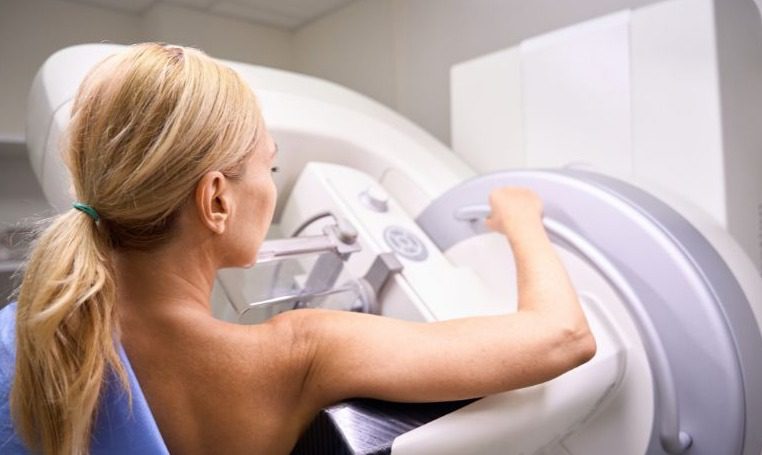
Breast Cancer: Mammograms, typically starting at age 40–50; earlier or more frequent screenings for high-risk individuals
-
Colorectal Cancer: Colonoscopy every 10 years starting at age 45, or sooner for high-risk patients; other stool-based tests may also be options
-
Cervical Cancer: Pap test and/or HPV test beginning at age 21; frequency varies by age and test type
-
Lung Cancer: Low-dose CT scan for adults 50–80 with a significant smoking history
-
Prostate Cancer: PSA blood test for men, typically starting around age 50; high-risk individuals may need earlier testing
-
Skin Cancer: Routine full-body skin exams, especially for those with fair skin, high sun exposure, or a history of skin cancer
Your healthcare provider or a consultation with a specialist at Beacon Clinic can help determine which screenings are appropriate for you. Some people may need earlier or more frequent screenings due to factors such as:
-
Family history of cancer
-
Genetic mutations (e.g., BRCA1 or BRCA2)
-
Smoking
-
Certain chronic illnesses
-
Previous abnormal screening results
Knowing your risk allows your care team to personalize a screening schedule that fits your needs.
Overcoming Common Barriers to Screening
Even when people know screenings are important, they often postpone or ignore them. Common reasons include fear of results, discomfort with the test, busy schedules, or believing they’re too young or too healthy to worry about cancer. If you’ve been putting off a screening, remember:
-
Most tests are quick and minimally uncomfortable
-
The peace of mind they provide is invaluable
-
Detecting a problem early is far easier than treating an advanced disease
-
Your future health is worth the time
Beacon Clinic: Your Partner in Prevention and Early Detection
At Beacon Clinic, we treat and support cancer patients with therapeutic and support services, and we believe that accessible, preventive care should be a standard part of every patient’s wellness plan. Our team is here to guide you, answer questions, and ensure you receive timely, compassionate care.
If you’re unsure which screenings you need, haven’t kept up with your routine tests, or are aware of some personal risk factor, Cancer Prevention Month is the perfect time to take action. Contact your provider or Beacon Clinic today to learn more about developing a personalized cancer prevention plan that includes regular screenings. Early detection saves lives, and Beacon Clinic wants you to stay one step ahead.
