
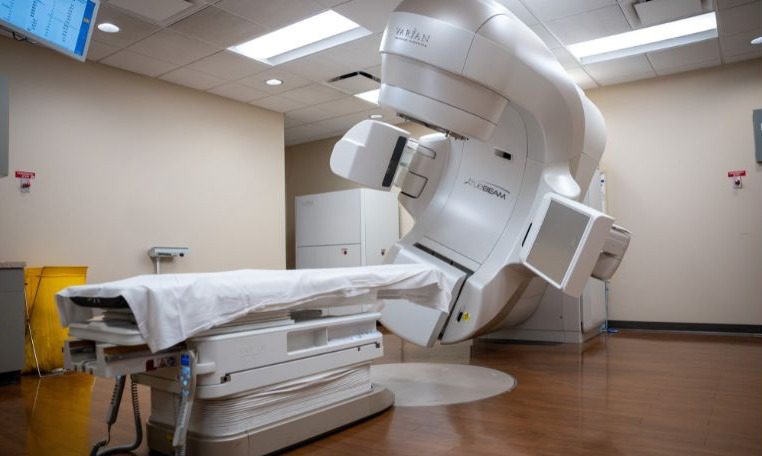
Although Beacon Clinic offers a range of medical services today, we began as a cancer care practice, and that continues to be a central focus. Understanding treatment options is a critical part of a successful care plan and, for many cancer patients, radiation therapy is a key component of their treatment plan. However, radiation is also one of the most misunderstood treatments. Misconceptions and fear can make an already difficult diagnosis feel even more overwhelming for new patients.
Radiation has been used for over 100 years in treating various medical conditions, including cancer. However, doctors and researchers have learned a great deal since the earliest uses of radiation; as a result, today’s targeted radiation therapies are much different than their forbears. Unfortunately, however, many worries persist about radiation treatment. That’s why it is so important to understand how radiation therapy works, be aware of the truths behind common myths, and know the facts so that patients and families feel informed, confident, and empowered in moving forward with a treatment plan that includes radiation therapy.
What Is Radiation Therapy?
Radiation therapy uses high-energy rays or particles to destroy cancer cells by damaging their DNA. When cancer cells can no longer repair that damage, they stop growing and die. Over time, the body naturally clears away these damaged cells.
In cancer care today, radiation therapy can be used to:
-
Treat cancer on its own
-
Shrink tumors before surgery
-
Eliminate remaining cancer cells after surgery
-
Relieve symptoms such as pain or pressure (palliative care)
It is one of the most common and effective cancer treatments available today and has been refined over decades to maximize effectiveness while protecting and preserving healthy tissue.
How Radiation Therapy Is Delivered
Radiation therapy is carefully planned and customized for each patient. The most common delivery methods are:
-
External beam radiation: The most common type, delivered by a machine that targets radiation precisely at the tumor.
-
Internal radiation (brachytherapy): A radioactive source is placed inside or near the tumor for a specific period of time.
Treatment is typically given over multiple sessions, allowing healthy cells time to recover while cancer cells are progressively damaged.
Common Myths About Radiation Therapy
Myth #1: Radiation Therapy Is the Same as Chemotherapy
Fact: Radiation therapy and chemotherapy are very different. Radiation therapy utilizes radiation beams or radioactive pellets in a localized treatment that targets a specific area of the body. In contrast, chemotherapy is the use of drugs (chemicals) that circulate throughout the bloodstream. Radiation affects only the area being treated, which helps limit side effects, while chemotherapy is systemic.
Myth #2: Radiation Therapy Makes You Radioactive
Fact: External beam radiation does not make you radioactive. You can safely be around family members, children, and pets during and after treatment. However, certain types of internal radiation may require temporary precautions, which your care team will explain clearly.
Myth #3: Radiation Therapy Is Extremely Painful
Fact: Radiation treatments themselves are painless, similar to getting an X-ray. Some patients experience side effects over time, such as skin irritation or fatigue, that can cause pain. However, these are typically manageable and temporary.
Myth #4: Radiation Therapy Always Causes Severe Side Effects
Fact: Advances in technology have significantly reduced side effects. Modern radiation therapy is highly precise, allowing doctors to target tumors while sparing healthy tissue. Side effects vary depending on the treatment area and dose, and many patients are able to continue their normal routines during therapy.
Myth #5: Radiation Therapy Is Only for Advanced Cancer
Fact: Radiation therapy is used at all stages of cancer. In early-stage cancers, it may be curative. In later stages, it can be used to shrink tumors, slow progression, and relieve symptoms, greatly improving quality of life.
What Side Effects Can Occur?
Radiation does have side effects, but their impact and severity depend greatly on the area being treated and the health status of the individual patient. Common side effects from radiation therapy can include:
-
Fatigue
-
Redness or irritation near the treatment area
-
Temporary hair loss (only in the treated area)
-
Mild discomfort or inflammation
Most side effects develop gradually and resolve after treatment ends. At Beacon Clinic, your care team closely monitors your ongoing health and provides supportive care to help manage symptoms throughout treatment.
Before any radiation therapy begins, cancer patients undergo detailed imaging and treatment planning. This process ensures radiation is delivered with pinpoint accuracy, protecting surrounding organs and tissues as much as possible. This careful planning, as well as ongoing monitoring, is one of the reasons radiation therapy today is considered both a safe and effective treatment, and why health outcomes for patients undergoing radiation therapy continue to improve year after year.
Beacon Clinic: Compassionate, Comprehensive Cancer Care
At Beacon Clinic, we understand that cancer treatment decisions can feel overwhelming, stressful, and worrisome. Our team takes the time to explain each option, address potential outcomes or effects, and provide answers to any questions and concerns. We deem it essential for patients to feel informed, empowered, and supported every step of the way. When radiation therapy is recommended, we strive to ensure that it is delivered with expertise, precision, and compassion.
Radiation therapy has helped millions of patients worldwide and continues to be a cornerstone of modern cancer care. Separating myths from facts can ease anxiety and help patients focus on healing and recovery.
If you or a loved one has been diagnosed with cancer and want to learn more about radiation therapy or other treatment options, contact Beacon Clinic today. We’re here to guide you with clarity, care, and hope, lighting the way forward on your cancer journey.
